

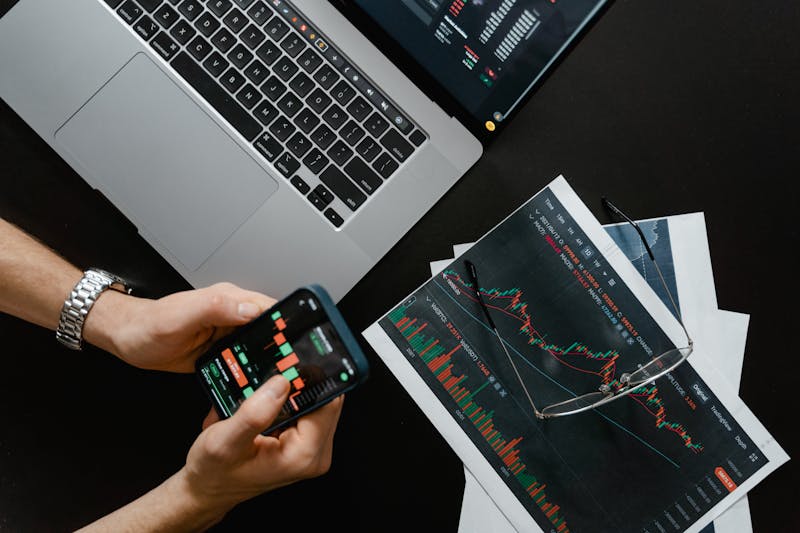
Remember spending hours scrolling through AliExpress, manually checking ad libraries, and cross-referencing Google Trends? That era is over. AI-powered product research has fundamentally changed how successful sellers find winning products.
The old way vs. the new way
The old way: Browse supplier catalogs → Check if anyone's running ads → Look at Google Trends → Guess at demand → Order samples → Hope for the best. This process took 2-4 weeks per product and had a success rate of maybe 10%.
The new way: Describe what you're looking for in natural language → AI analyzes millions of products, ads, and sales data → Get ranked results with real revenue data → Make informed decisions in minutes. Success rates jump to 30-40% because you're working with data, not intuition.
What AI product research actually looks like
Modern AI research tools don't just search databases — they understand context. You can type something like "trending health products with low competition and high margins" and get results that actually match that intent.
The AI considers:
- Real sales velocity — Not estimated, but actual revenue data from live stores
- Ad saturation — How many sellers are already running ads for similar products
- Trend trajectory — Is the product trending up, peaking, or declining?
- Seasonal patterns — Historical data shows if demand is cyclical
- Competitive landscape — How many sellers, at what price points, with what margins
Why most sellers still get it wrong
Even with AI tools, many sellers fail because they:
1. Chase viral products too late — By the time you see a product going viral on social media, it's usually too late. The smart money moves during the early-signal phase.
2. Ignore saturation data — A product can have great demand but terrible margins if 500 other sellers are already competing.
3. Don't validate with ad data — Just because a product sells doesn't mean you can profitably advertise it. Check what ad angles are working and at what cost.
4. Skip the store tracking step — Before launching a product, see how the top sellers are pricing it, what their store looks like, and what other products they're bundling.
The competitive advantage
The sellers who are winning in 2026 are the ones who combine AI-powered research with human judgment. The AI handles the data crunching — analyzing millions of products, ads, and trends. The human makes the final call based on their market knowledge, supplier relationships, and brand positioning.
This combination is unbeatable. And it's only going to get more powerful as AI models improve and data coverage expands.